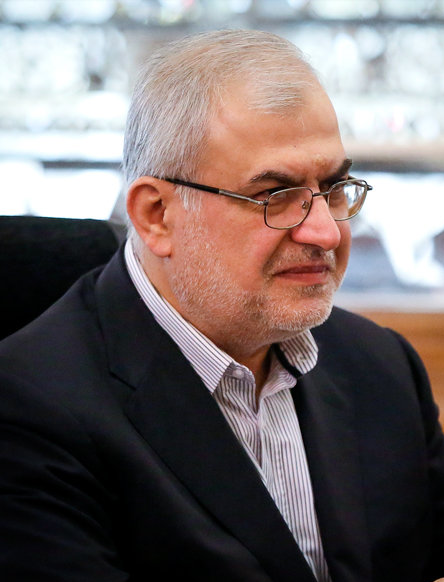
Top Hezbollah Figure Mohammed Raad Killed by Israeli Strike in Lebanon
In a dramatic escalation of tensions reverberating across the Middle East, Mohammed Raad, a prominent and highly influential figure as the head of Hezbollah’s parliamentary bloc, was killed in an Israeli strike targeting Beirut. This significant event, confirmed by Lebanese President Joseph Aoun, marks a critical turning point in the ongoing hostilities between Israel and the Iran-backed Lebanese group, Hezbollah. The strike, which hit southern suburbs of Beirut, not only claimed the life of the senior Hezbollah leader but also resulted in a devastating loss of civilian lives and widespread displacement, further deepening the humanitarian crisis in Lebanon.
The death of Mohammed Raad, who led the "Loyalty to the Resistance" bloc within the Lebanese parliament, represents a major blow to Hezbollah's political structure and its representation in the country’s governmental affairs. His demise signals a dangerous widening of the conflict, moving beyond the traditional border skirmishes into Lebanon's capital, thereby raising international alarm about the potential for a full-scale regional confrontation.
The Strike That Shook Beirut: Mohammed Raad's Demise
The Israeli Air Force attack, which reportedly targeted the southern suburbs of Beirut, specifically the Al-Dahieh area, was swift and devastating. Initial reports from various media outlets, including Al Hadath and Alghad TV, swiftly confirmed the tragic outcome: the death of Mohammed Raad. Raad was not merely a political representative; he was a key figure whose leadership provided strategic direction and legitimacy to Hezbollah's political wing within the complex tapestry of Lebanese governance. His long-standing tenure and influence made him an indispensable asset to the movement, navigating delicate parliamentary negotiations and representing Hezbollah's interests on the national stage.
The confirmation of Raad's death came from no less a figure than Lebanese President Joseph Aoun. In his statement, Aoun lamented the loss while simultaneously expressing concern over Hezbollah's actions. He explicitly stated that Hezbollah’s continued launching of rockets into Israel "undermines efforts aimed at shielding Lebanon from regional conflict." This sentiment underscores the profound internal divisions within Lebanon regarding Hezbollah's role and its impact on national stability. The Israeli military, for its part, confirmed successful targeting in the region, without immediately specifying Raad as the target, but leaving little doubt about the high-value nature of their operation.
- Key Figure: Mohammed Raad was the head of Hezbollah's parliamentary bloc, "Loyalty to the Resistance."
- Political Impact: His death leaves a significant void in Hezbollah's political leadership, which could lead to internal shifts or new strategies.
- Location of Strike: Southern suburbs of Beirut, particularly Al-Dahieh, signaling a broader geographical scope of conflict.
- Confirmation: Confirmed by Lebanese President Joseph Aoun, highlighting the high-level nature of the incident.
Escalating Tensions and Regional Repercussions
The strike that resulted in Hezbollah's Mohammed Raad killed did not occur in a vacuum. It followed a period of intensified cross-border exchanges, with Hezbollah launching a barrage of rockets into Israeli territory. These actions, which Hezbollah often frames as acts of resistance against Israeli aggression or solidarity with Palestinians, invariably draw strong retaliatory responses from Israel. The tit-for-tat exchanges have been a consistent feature of the region's security landscape, but the targeting of a high-profile political leader in Beirut signifies a dangerous escalation in Israel's operational scope.
The strategic implications of this strike are far-reaching. By targeting Raad within the capital, Israel has demonstrated a willingness to expand the geographical parameters of the conflict. This move puts immense pressure on Lebanon, a nation already grappling with profound economic woes and political instability. President Aoun’s public criticism of Hezbollah’s rocket launches highlights the deep concern within Lebanon that the country is being unwillingly drawn into a wider regional conflagration. The balance act for Beirut – maintaining national sovereignty while dealing with a powerful, non-state actor like Hezbollah – becomes increasingly precarious with each such incident.
Furthermore, the death of a figure like Raad could provoke significant retaliation from Hezbollah. The group, known for its strategic patience and powerful military capabilities, may feel compelled to respond decisively to avenge a senior leader, potentially unleashing a new phase of the conflict. This situation has heightened fears among international observers of the conflict spilling over and destabilizing the entire Levant region, drawing in other regional and global powers.
Humanitarian Toll and Societal Impact
Beyond the geopolitical ramifications, the human cost of these escalating hostilities is staggering. According to the Lebanese Health Ministry, as reported by Alghad TV, the Israeli air raids resulted in a total of 31 fatalities and 149 injuries across Lebanon. The southern suburbs of Beirut, Al-Dahieh, bore a significant brunt, with preliminary reports indicating 20 deaths and 91 wounded. In the southern province of Al-Janoub, near the Israeli border, another 11 people were killed and 58 sustained injuries.
These numbers paint a grim picture of civilian suffering. Families have been torn apart, homes destroyed, and lives irrevocably altered. The fear generated by these strikes has led to mass displacement. Al Hadath reported that residents of southern Lebanese villages, already accustomed to living under the shadow of conflict, were forced to abandon their homes en masse following the Israeli strikes. This sudden exodus creates an immediate humanitarian crisis, with thousands seeking safety and shelter, often with limited resources.
In response to the escalating violence and the palpable threat to civilian safety, Lebanon's Ministry of Education took the drastic step of ordering the closure of all schools and educational institutions. This decision, while necessary for safety, further disrupts the lives of children and young people, hindering their education and adding to the long-term societal impact of the conflict. The repeated cycles of violence inflict deep psychological trauma on communities, particularly children, who witness firsthand the devastation of war. For more context on the rising tensions, consider reading Israel Strikes Beirut: Hezbollah's Raad Dead Amid Rising Tensions.
Tips for Understanding Civilian Impact:
- Verify Sources: Always seek information from multiple, credible news organizations and humanitarian bodies to get a complete picture.
- Contextualize Data: Understand that casualty figures are often initial and can change as more information emerges, but they consistently reflect immense human suffering.
- Consider Displacement: Focus on the immediate and long-term challenges faced by displaced populations, including access to food, clean water, shelter, medical care, and education.
- Psychological Effects: Recognize the profound and lasting psychological trauma inflicted on communities, especially children, exposed to continuous violence and displacement.
Analyzing the Strategic Landscape and Future Outlook
The killing of Mohammed Raad signals a deliberate and calculated move by Israel. While Israel maintains that its actions are defensive responses to Hezbollah's aggression, the targeting of such a high-ranking political figure in Beirut sends a clear message about its operational reach and determination to degrade Hezbollah's capabilities. This strategy aims to disrupt Hezbollah's command structure, both military and political, and potentially deter future attacks. However, such high-stakes operations carry significant risks of miscalculation and unintended escalation.
For Hezbollah, the death of Raad presents a dual challenge. On one hand, it necessitates a recalibration of their political leadership, potentially bringing new figures to the fore and altering internal power dynamics. On the other, it intensifies internal pressure to respond forcefully to demonstrate resilience and maintain credibility among its supporters and regional allies. The group's response will likely be carefully calibrated, weighing the need for vengeance against the broader strategic implications of pushing Lebanon into an all-out war with Israel, especially given the country's fragile state.
The international community finds itself in an increasingly difficult position, urging de-escalation while struggling to find effective diplomatic off-ramps. The deep-seated animosities and proxy involvements of regional powers make a peaceful resolution exceedingly complex. The situation demands sustained diplomatic engagement, humanitarian aid, and robust efforts to protect civilians, who disproportionately bear the brunt of such conflicts. The fate of Lebanon, its sovereignty, and its people hangs precariously in the balance, caught between powerful regional actors and their unwavering objectives.
The death of Hezbollah's top parliamentary figure, Mohammed Raad, in an Israeli strike on Beirut marks a critical and dangerous turning point in the protracted conflict. It underscores the escalating nature of hostilities between Israel and Hezbollah, threatening to engulf Lebanon in a wider regional war. While the strategic calculations of both sides are at play, the immediate and most tragic consequences are borne by the civilian population, facing displacement, injury, and loss of life. As the region braces for potential retaliation and further escalation, the call for de-escalation and humanitarian protection becomes ever more urgent to prevent further tragedy and instability.